


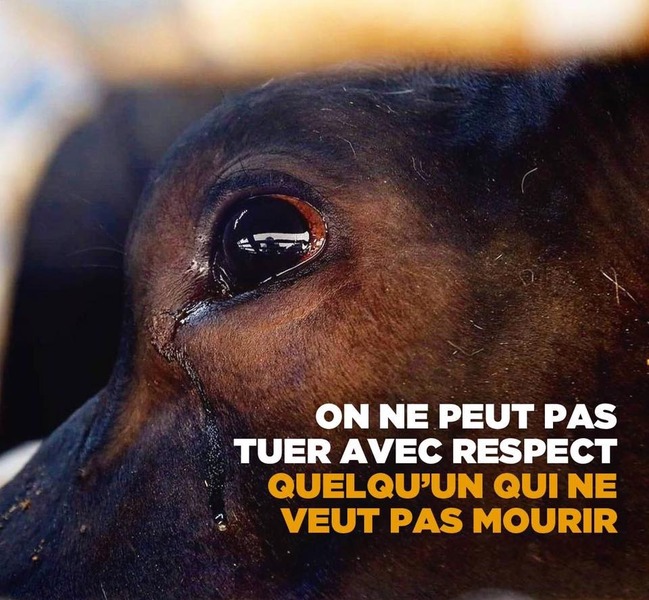
In our society, eating these animals is the norm. So-called “farm animals” — cows, pigs, ducks, chickens — are often not seen as animals in their own right, but as food.
Yet more and more people question the impact of meat on health, the environment and our relationship with living beings. Industrial livestock farming raises ethical, ecological and sanitary issues that are hard to ignore.
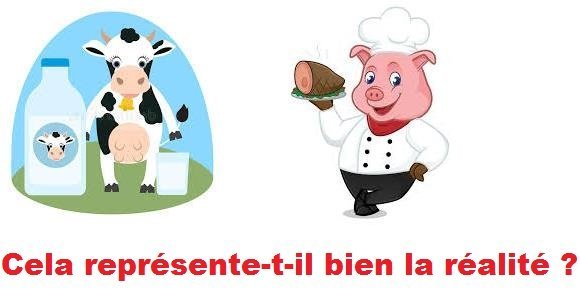
Sur le plan psychologique: Le « paradoxe de la viande » : la dissonance cognitive dans l’assiette
The “meat paradox” describes the tension between loving animals and eating them. For some, resolving that tension means reducing or stopping meat, and more broadly products from animal exploitation. Changing the behaviour removes the inner conflict — and often opens a deeper reflection on consumption.
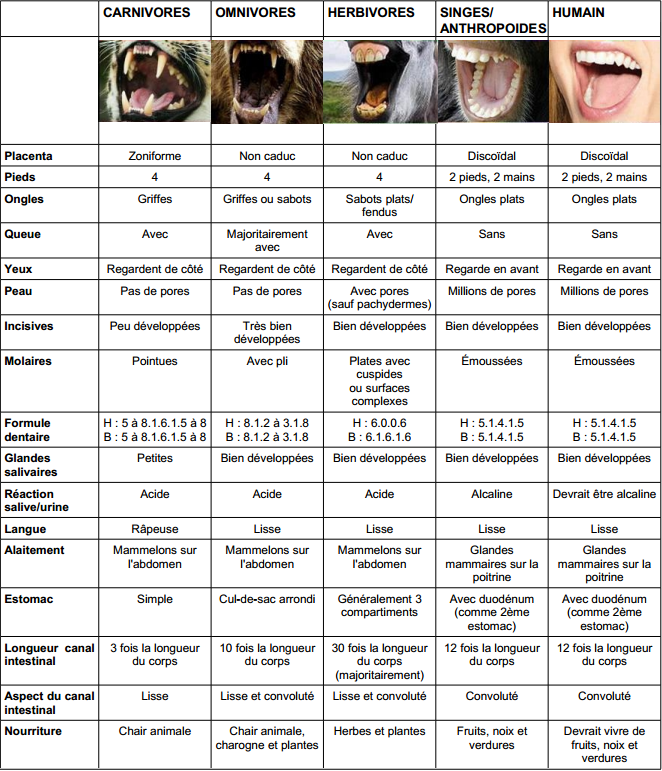
Sur le plan physique ...nous ne sommes pas des omnivores mais des frugivores granivores .
Human beings are often described as omnivores. Another reading, based on anatomy and physiology, presents us closer to frugivores–granivores. Historically, diets heavy in meat have also been linked with specific conditions (gout, cardiovascular issues). This does not dictate a single diet for everyone, but it invites us to question the idea that high meat intake is “natural” or necessary.
Any major dietary change should be discussed with a healthcare professional.
Sur le plan écologique ...c'est une vraie catastrophe
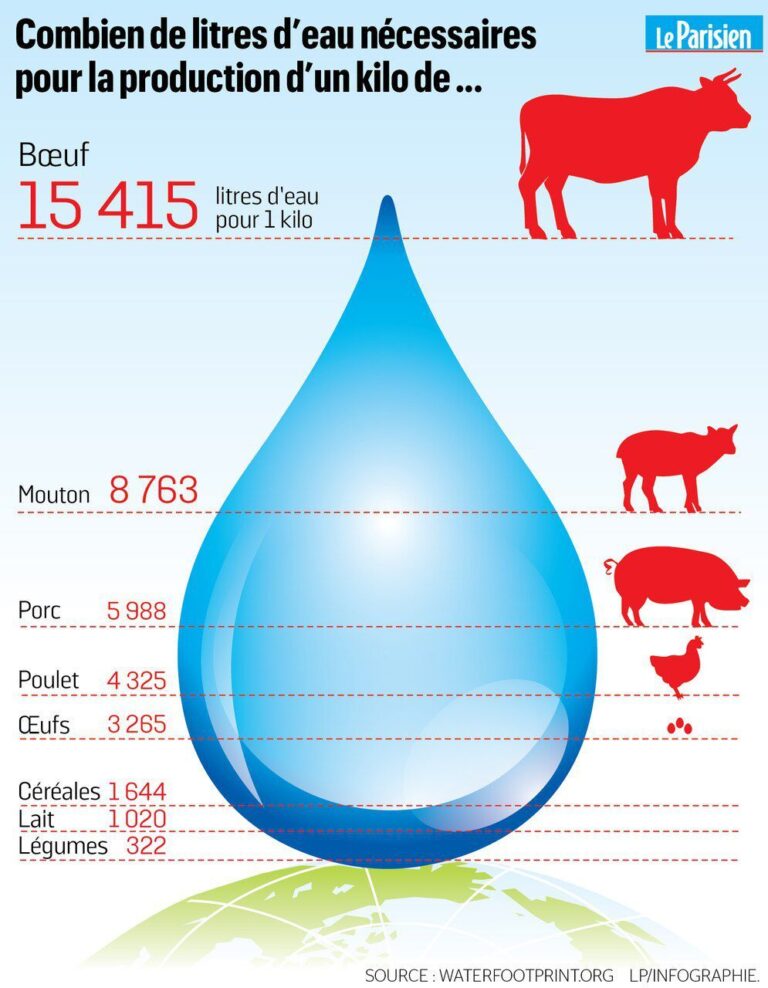
Meat production is extremely resource-intensive. Fresh water is one of the most critical resources, and livestock farming consumes large amounts of it.
Reducing meat consumption by 50% would already lighten pressure on water, land and emissions. Small individual shifts, multiplied, change systems.
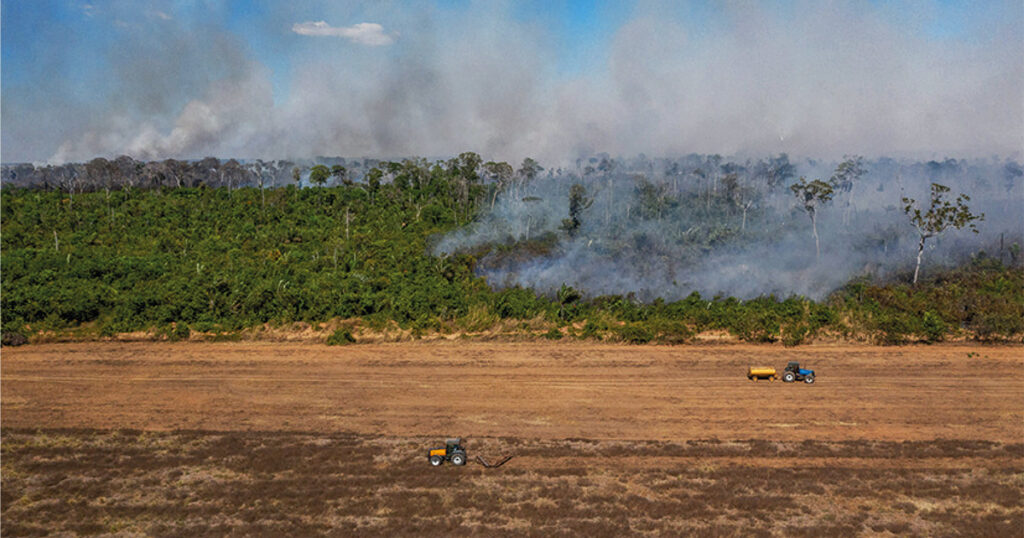
Meat production, especially intensive farming, has major environmental consequences. Greenhouse-gas emissions from this industry are among the highest in the agricultural sector. Deforestation for feed crops, methane from cattle, and transport all add to the footprint.
Livestock produces large quantities of organic waste. While manure can be useful as fertiliser, poor management causes pollution. Excess nutrients such as phosphorus and nitrogen contaminate waterways and soils.
Sur le plan de la santé physique, ce que vous cache l'industrie agro alimentaire
In recent years, global consumption of red meat has risen, especially in developing countries. At the same time, evidence grows that high intake of processed red meat is associated with higher health risks. Official nutritional guidelines in many countries now recommend moderation.
Again: this is information for reflection, not a personal medical prescription.
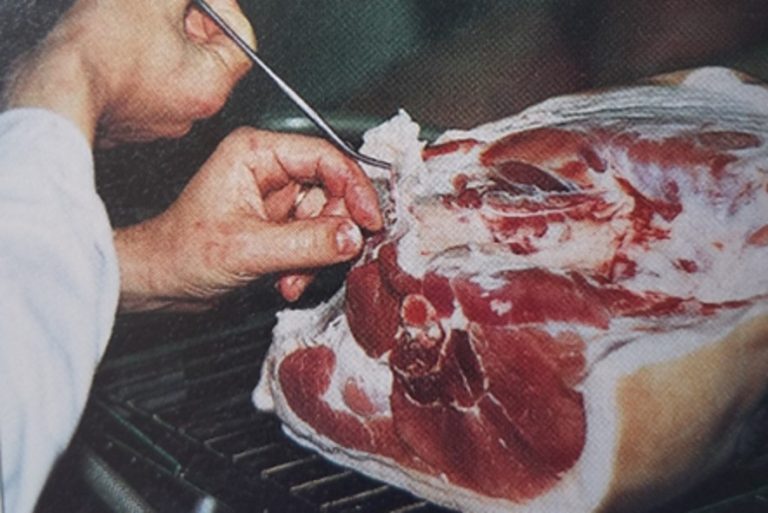
Sur le plan énergétique ...c'est tout simplement une transgression qui va vous conduire vers des maladies graves et des décès .
Why such a strong title? Because some realities behind industrial farming remain invisible to most of us. Beyond the physical body, we also feed our emotional and energetic balance with what we choose to put on the plate.
Urgency here means awareness — not guilt.
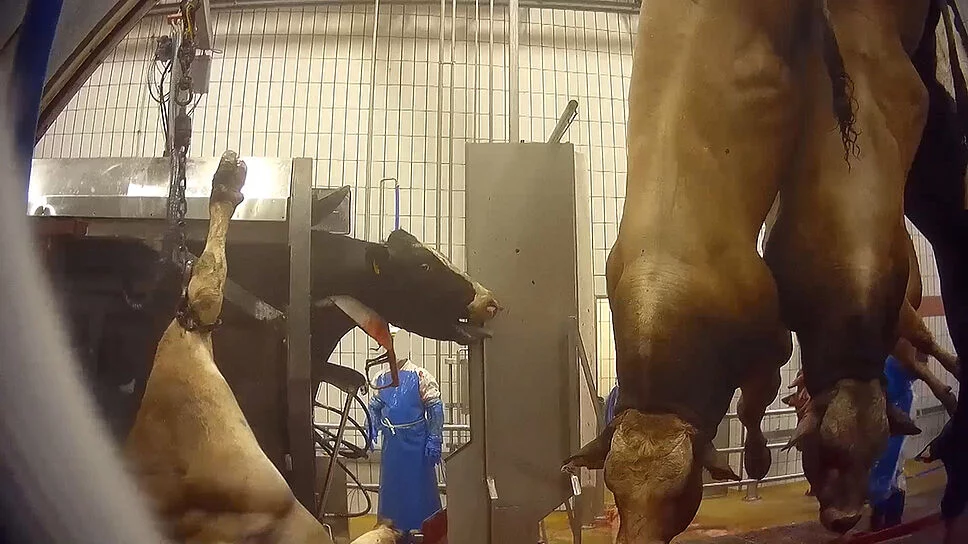
En conclusion de ces compréhensions
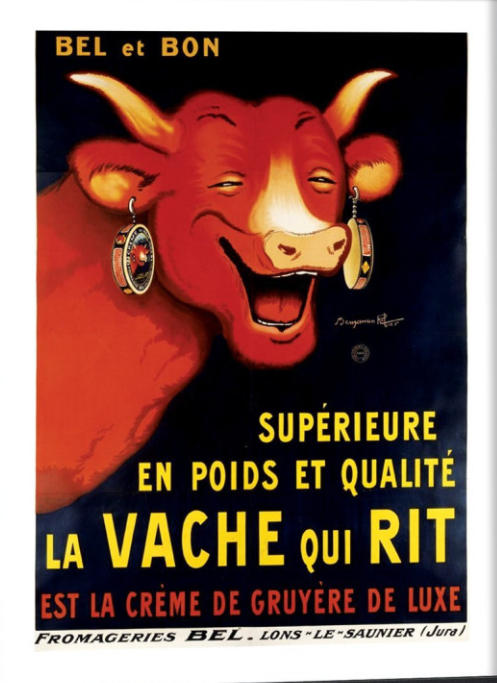
After reading and watching the related materials, it becomes harder to say “I did not know”. An industry can hide behind walls, advertising and funded studies. Looking clearly is already a form of power over your own choices.
If you wish to work on your emotions, your nutrition or other blockages, feel free to contact me. Together we can look for a new balance and greater inner freedom. This support does not replace medical care.