



One of Our Childhood Wounds: Abandonment
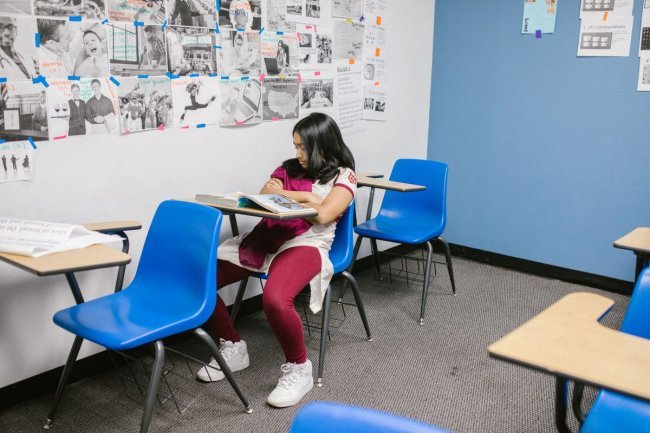
We all carry, to varying degrees, emotional wounds born in childhood. Lise Bourbeau, in The 5 Wounds That Prevent You From Being Yourself, identifies them clearly: rejection, abandonment, humiliation, betrayal and injustice. Among them, the wound of abandonment deeply affects the fundamental need for connection, support and presence. Understanding the abandonment wound helps us leave the fear of solitude behind and learn to support ourselves.
Jacques Martel, in The Great Dictionary of Ailments and Diseases, reminds us that the body speaks. Ailments and illnesses are often messages linked to unmet thoughts, feelings and needs. Abandonment frequently appears as a conflict of lack of support, inner loneliness, or fear of being left aside.
Nonviolent Communication (NVC), developed by Marshall Rosenberg, offers a particularly illuminating view of this wound. It invites us to move beyond judgment (“I was abandoned”) toward observation, feelings, needs and requests. Behind the pain of abandonment there is almost always a vital need for connection, emotional safety and belonging.
When and how does the abandonment wound awaken?
According to Lise Bourbeau, this wound generally awakens between birth and the age of three, most often in connection with the parent of the opposite sex. The child has not necessarily lived a real abandonment (separation, hospitalisation, death…). They simply felt a lack of affective presence, warmth and support. A parent who is physically present but emotionally absent, a newborn who takes all the attention, parents who are very busy… can be enough to create the feeling of not having been “fed” emotionally.
In NVC language, we would say that the child’s need for connection, support and presence was not sufficiently met. This is not about blaming the parents: it is an observation of what happened. The child felt sadness, fear or loneliness, and concluded (often unconsciously): “I am not worthy of support” or “I must cling so as not to be left alone”.
This wound is then reactivated in adulthood, mainly with people of the opposite sex.

The dependent mask seen through NVC
To protect themselves from the pain of abandonment, the child puts on a mask: that of the dependent.
The dependent has a deep fear of solitude. They constantly seek presence, attention, support and above all the backing of others. They may become a victim to attract help, dramatise, ask for advice (without necessarily following it), cling physically or emotionally. They fuse easily, struggle to decide alone, and often swing between joy and sadness.
In Nonviolent Communication, we look at this mask with empathy rather than judgment. “Clingy” or “demanding” behaviour is not manipulation. It is a strategy (sometimes clumsy) to meet legitimate needs: the need for connection, safety, to be seen, to matter to someone. When we translate the language of the mask into the language of needs, the relationship changes.
Example of an NVC translation:
Instead of saying “I am too dependent, it is pathetic”, we can say:
“When I feel fear at the idea of being alone, it is because my need for connection and support is not nourished. What can I do to take care of this need, first myself?”
The body tells the story
Lise Bourbeau describes physical traits often seen in people who carry this wound strongly:
- Long, thin body lacking tone
- Underdeveloped muscular system
- Drooping shoulders, curved back
- Arms that seem too long and hang down
- Soft parts of the body, or positioned lower than average
- Large sad eyes, a “pulling” gaze
- Tendency to lean on something or someone
The body appears to need support, as if the person cannot “stand alone”. In NVC, we can listen to this bodily message with kindness: “My body is speaking to me about my need for support. How can I respond to it other than by clinging to others?”
Associated ailments and conditions
Lise Bourbeau links this wound in particular to: back problems, asthma, bronchitis, migraines, hypoglycaemia, diabetes, agoraphobia, myopia, hysteria, depression, rare illnesses that attract attention, or conditions that require a lot of care.
Jacques Martel, in his Great Dictionary, sheds light on the underlying conflicts. Abandonment and lack of support appear in many entries: the back (support in life, emotional burden), the lungs and asthma (feeling of lacking air), the digestive system and sugar (need for affective “sweetness” compensated), inner loneliness that shows up as various ailments.
Martel emphasises: the body turns unresolved emotional stress into a symptom to draw our attention and invite awareness. Recovery involves recognising the conflict, accepting it and changing our perspective. NVC adds a valuable dimension: linking the symptom to an unmet need and formulating a clear request (to oneself or to another) rather than staying in resentment or complaint.

How the abandonment wound is lived in adulthood
In relationships, the dependent fears separations, no’s and silences. They may cling, unconsciously manipulate through illness or drama, or on the contrary leave before being abandoned. They find it hard to be alone, even for short periods. In a couple, they often have a strong need to feel desired and supported.
Professionally and socially, they may appear warm and helpful, but they expect attention in return. Solitude terrifies them, and the feeling of being “left aside” hurts them deeply.
NVC proposes turning these moments of fear into opportunities for self-empathy. Instead of reproaching the other “You are abandoning me”, we can listen to ourselves: “When I see that you are distant, I feel fear and sadness, because I need connection and to feel that I matter to you. Would you be willing for us to take a moment to talk?” This formulation completely changes the quality of the relationship.
Towards healing the abandonment wound
The good news is that this wound can be transformed. Lise Bourbeau, Jacques Martel and Nonviolent Communication converge on several essential steps:
- Recognise and accept the wound without self-judgment (observation rather than judgment).
- Welcome the emotions (sadness, fear, anger) that arise — they are messengers of needs.
- Identify the underlying needs: connection, support, safety, belonging, to be seen.
- Learn to support oneself: develop self-empathy and emotional autonomy.
- Formulate clear requests (to oneself and to others) rather than demands or reproaches.
- Change the beliefs: “I am able to stand on my own”, “Solitude is not abandonment”, “I deserve to be loved as I am”.
Little by little, the fear of solitude decreases. We discover that we can accompany ourselves, nourish ourselves emotionally, and live healthier relationships based on sharing needs rather than trying to fill a void.

In summary, the abandonment wound, like the others, is not a life sentence. It is an invitation to become more conscious, freer and more oneself. By listening to our body, caring for the inner child who lacked support, and using the language of NVC to link feelings and needs, we transform pain into strength and authentic connection.
Main references
Lise Bourbeau, The 5 Wounds That Prevent You From Being Yourself
Jacques Martel (with Lucie Bernier), The Great Dictionary of Ailments and Diseases
Marshall B. Rosenberg, Nonviolent Communication: A Language of Life
If you wish to work on your emotions, your nutrition or other blockages, feel free to contact me. Together we can look for a new balance and greater inner freedom. This support does not replace medical care.